
The Most Common Septic Problems Homeowners Face
Homeowners facing common septic problems often need repairs or replacements, and local contractors can provide expert solutions to restore proper septic system function.
Homeowners in the area often encounter common septic problems that can disrupt daily routines and lead to costly repairs if not addressed promptly. Recognizing these issues early can help property owners avoid more extensive damage and ensure their systems operate smoothly. Whether it’s persistent backups, foul odors, or slow-draining fixtures, understanding the signs of septic trouble is key. Local contractors who specialize in septic repair and replacement are equipped to handle these problems effectively, providing solutions that restore proper function and peace of mind.
Exploring the most frequent septic problems homeowners face is a practical step toward maintaining a healthy property. Many local service providers offer expertise in diagnosing and resolving these issues, helping property owners prevent minor concerns from escalating into major repairs. By staying informed and knowing when to seek professional assistance, homeowners can protect their investment and keep their septic systems running efficiently for years to come. Keep reading to learn more about common septic challenges and how local professionals can assist in resolving them.
- Septic tank replacement - homeowners experiencing persistent backups or tank failure often need septic tank replacement, which local contractors approach by assessing the system's condition and installing a new tank to restore proper function.
- Septic tank repair - when septic systems show signs of leaks, clogs, or slow drainage, local service providers evaluate the issue and perform repairs to prevent further damage and restore system efficiency.
- Drainfield repair or replacement - if effluent is surfacing or the drainfield is failing, local pros diagnose the problem and may repair or replace the drainfield to ensure proper wastewater dispersal.
- Septic tank pumping and cleaning - regular pumping is needed when solids accumulate, but if problems persist despite pumping, local contractors may recommend repairs or replacement of faulty components.
- Septic system inspection and diagnostics - homeowners facing recurring issues often seek inspections from local pros who diagnose underlying problems and recommend necessary repairs or replacement to resolve the most common septic problems.
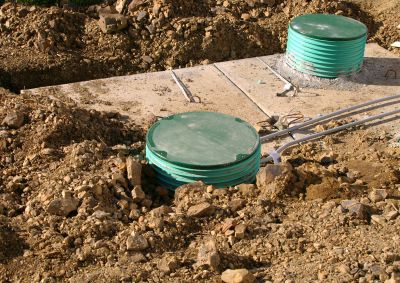
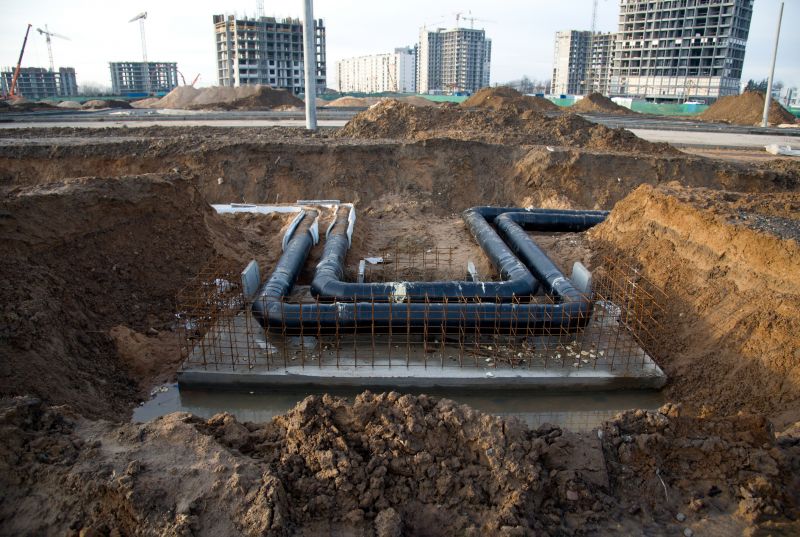
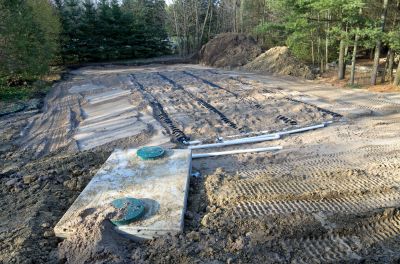
Understanding the most common septic problems homeowners face is essential for maintaining a functional and reliable waste management system. When people search for this topic, they often want to identify issues that could disrupt daily life or lead to costly repairs. These problems typically involve the septic system’s ability to properly treat and dispose of household wastewater. Common concerns include sewage backups, foul odors, standing water around the drain field, and slow drainage in sinks and toilets. Recognizing these signs early can help homeowners determine whether their septic system needs repair or replacement, and it highlights the importance of working with experienced local contractors who specialize in septic services.
Septic system problems usually relate to the condition of the tank, the drain field, or the piping that connects them. For example, over time, the tank can become full or develop leaks, leading to backups or overflows. Drain field issues, such as clogging or saturation, can cause wastewater to surface or drain slowly, creating unpleasant odors and potential health hazards. Blockages in pipes or improper installation can also contribute to these issues. Many homeowners face these challenges after neglecting routine maintenance or due to aging systems. Addressing these problems often involves repairs or, in some cases, complete septic replacement, making it crucial to work with local service providers who understand the specific needs of each property.
The types of properties most affected by common septic problems tend to be rural homes, properties with large or heavily used households, or older residences with outdated systems. Rural properties often rely solely on septic systems because they lack access to municipal sewer lines, making proper maintenance and timely repairs vital. Larger households generate more wastewater, increasing the likelihood of system overloads or failures. Additionally, older properties may have septic systems that are no longer suitable for current use or are nearing the end of their lifespan. These factors highlight the importance of regular inspections and working with experienced local contractors who can evaluate the condition of a septic system and recommend appropriate solutions to prevent or resolve issues.
For homeowners facing septic problems, understanding how these issues connect to real projects can clarify the role of local pros. Whether it’s repairing a leaky tank, replacing a damaged drain field, or installing a new system, trained service providers can assess the specific challenges of each property. They help determine whether repairs will suffice or if a full replacement is necessary to restore proper function. Working with local contractors ensures that the work is tailored to the property’s unique needs and complies with local regulations. This approach helps homeowners maintain a healthy, trouble-free septic system, avoiding unexpected disruptions and potential property damage down the line.
Drain field installation - this project involves planning and installing underground systems, similar to septic system repairs and replacements to ensure proper waste management.
Septic tank pumping and cleaning - routine maintenance tasks that require understanding of septic system components, aligning with repairs for common septic problems homeowners face.
Leach field repair - fixing or replacing drain fields involves similar site assessment and excavation skills used in septic system replacements.
Pipe repair or replacement - addressing cracked or clogged pipes is related to septic system troubleshooting and repair services for common septic issues.
Soil testing and site assessment - evaluating soil conditions for septic system installation or repair shares planning skills relevant to resolving septic problems.
Backflow prevention system installation - installing or repairing backflow preventers involves understanding of wastewater flow, similar to septic system troubleshooting and repairs.
When evaluating service providers for septic replacement or repair, it’s important to consider their experience with similar projects. Homeowners should inquire about how long a local contractor has been handling septic system issues, particularly those related to common problems such as clogs, leaks, or failing components. An experienced contractor will have a clearer understanding of the typical causes of these issues and be better equipped to diagnose and address them effectively. This background can help ensure that the chosen professional has the practical knowledge needed to handle the complexities of septic systems and reduce the likelihood of recurring problems.
Clear, written expectations are essential when comparing local contractors for septic services. Homeowners should seek detailed estimates that outline the scope of work, materials to be used, and the steps involved in the repair or replacement process. Having this information in writing helps prevent misunderstandings and provides a basis for comparing different providers. It also encourages transparency and accountability, making it easier to evaluate whether a contractor’s approach aligns with the homeowner’s needs and expectations for resolving the most common septic problems.
Reputable references and strong communication are key factors in selecting a reliable service provider. Homeowners are encouraged to ask for references from previous clients who had similar septic issues addressed. Speaking with past customers can offer insights into the contractor’s workmanship, professionalism, and ability to communicate clearly throughout the project. Good communication ensures that questions are answered promptly and that homeowners remain informed about the progress and any potential concerns. Choosing a contractor with a history of clear, respectful communication and positive references can help facilitate a smoother process when dealing with septic system repairs or replacements.
Property owners often search for the most common septic problems homeowners face when they are planning practical projects around their homes and businesses. Local pros provide Septic Replacement or Repair services for everyday jobs and straightforward project options.
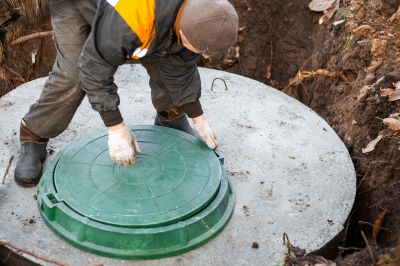
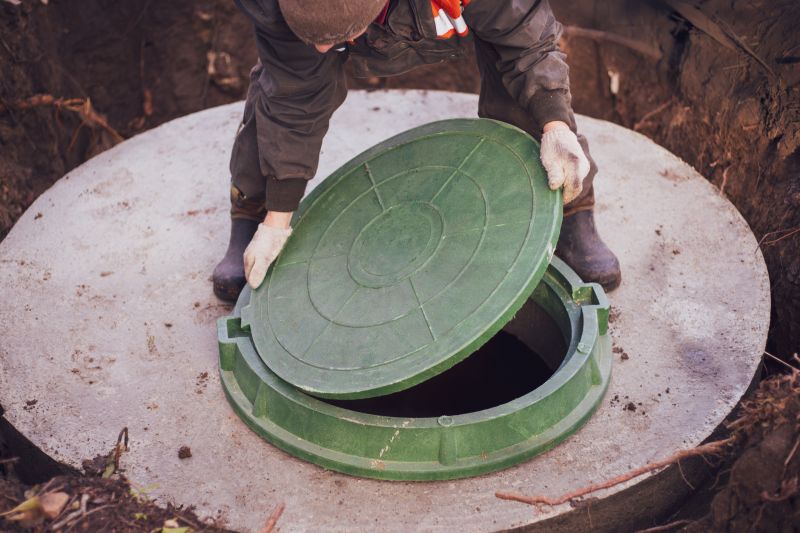
Homeowners often encounter common septic problems that can disrupt daily routines and lead to costly repairs if not addressed promptly. Issues such as slow draining toilets, foul odors, and backups are typical signs of underlying septic system troubles. These everyday project situations prompt property owners to seek out local contractors who specialize in septic repair or replacement, ensuring the system functions properly and avoids further damage.
Many property owners in the area look up this topic after noticing recurring problems like gurgling sounds in plumbing or standing water around the septic tank area. Such signs can indicate more serious issues, such as a failing septic tank or clogged drain field. Connecting with experienced service providers can help diagnose the root cause and determine whether repair or replacement services are needed to restore the system’s performance efficiently.
What are common signs of septic system problems? Symptoms such as slow draining sinks, foul odors around the septic tank area, and backups in toilets or drains can indicate septic system issues that may require repair or replacement by local contractors.
Why does my septic system frequently clog or back up? Frequent clogs often result from a buildup of solids or improper waste disposal, which can be addressed by local service providers through cleaning, repair, or replacement of components.
What causes septic tanks to leak or overflow? Leaks or overflows can occur due to structural damage, cracked tanks, or overloading, and are typically resolved by experienced contractors who can assess and repair the system.
How can tree roots affect my septic system? Tree roots can invade septic tanks or drain fields, causing blockages and damage that may require professional repair or replacement services to restore proper function.
When should I consider replacing my septic system? Replacement may be necessary if the system is extensively damaged, outdated, or unable to be repaired effectively, with local contractors providing options for installing a new septic system.
Clogged or backed-up septic tanks - homeowners can schedule inspections and drain cleaning services with local contractors to prevent backups and ensure proper system function.
Drain field failure - property owners might consider replacing or repairing damaged drain fields with help from local service providers to restore proper wastewater absorption.
Slow-draining fixtures and odors - addressing these signs early by consulting local pros can help identify and fix underlying septic issues before they worsen.
Leaking or damaged septic tanks - timely replacement or repair services from local contractors can prevent environmental hazards and costly repairs.
If you are thinking about the most common septic problems homeowners face for a property, this guide is meant to help you understand this topic, the typical project types, and how different options might fit your plans.
When you are ready, you can use the quote form on this page to share a few details about your project. From there, local pros can review the basics and follow up with options that match what you have in mind.