
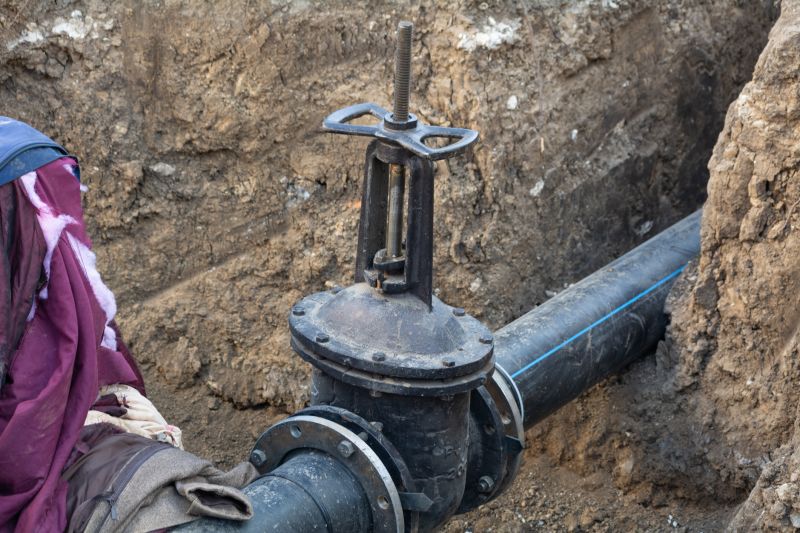
Sewer Repair in Denver County, CO
Sewer repair services involve diagnosing and fixing issues within a property's underground sewer lines, which are essential for proper waste removal and sanitation. These projects can include repairing or replacing damaged pipes, clearing blockages, and addressing leaks or collapses that may cause backups or foul odors. Homeowners often seek sewer repairs when experiencing slow drains, recurring backups, or unusual sewage smells, and understanding the scope of work helps in determining the appropriate solution for their property.
Before requesting sewer repair services, property owners should consider the extent of the problem, the age and condition of existing sewer lines, and whether any recent plumbing issues suggest underlying damage. It’s also helpful to know if there are visible signs like pooling water, lush patches of grass over the line, or frequent backups. Having a clear understanding of these factors can assist in communicating the issue accurately and ensuring the appropriate repairs are carried out to restore proper function and prevent future problems.
Many property owners in Denver County, CO look into Sewer Repair for repairs, replacements, upgrades, and appearance-related improvements.
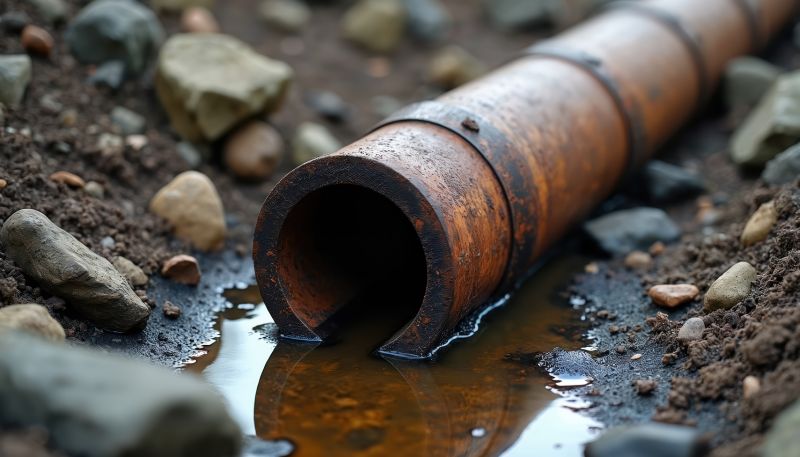
Sewer Repair Services
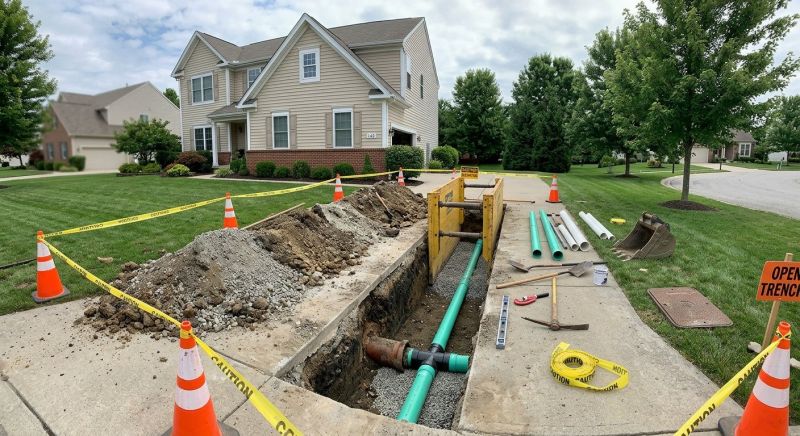
Examples of sewer repair work property owners may explore in denver county, co.
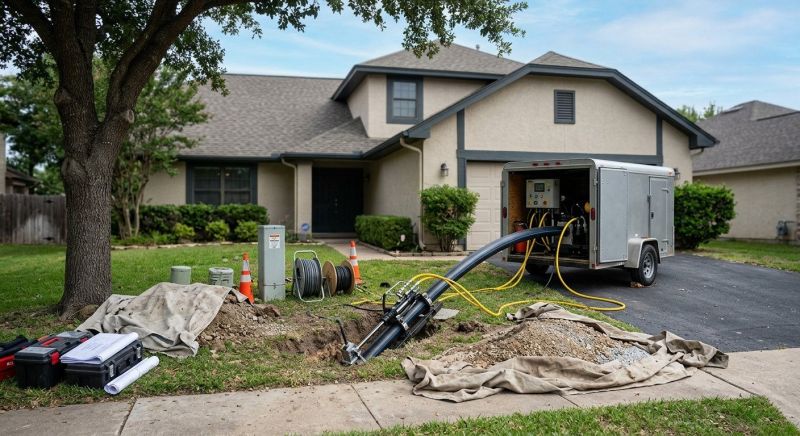
Sewer Repair Updates
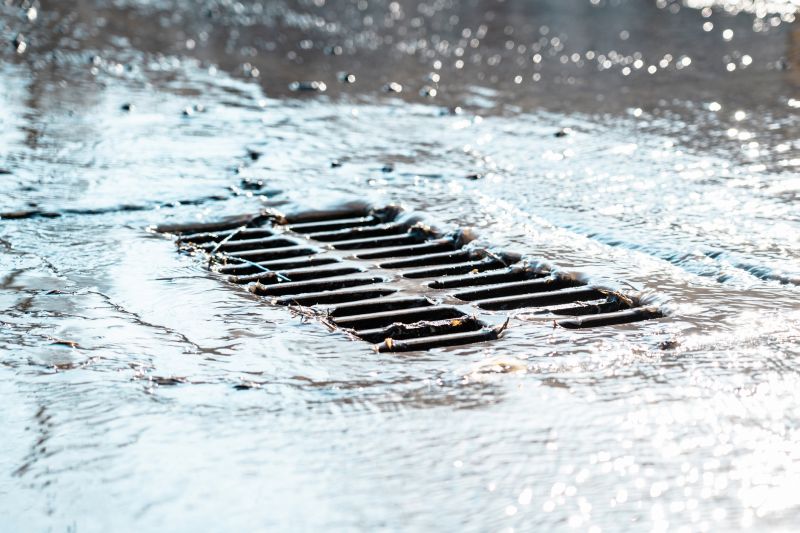
Common ways people refresh, improve, or restore sewer repair features in denver county, co.
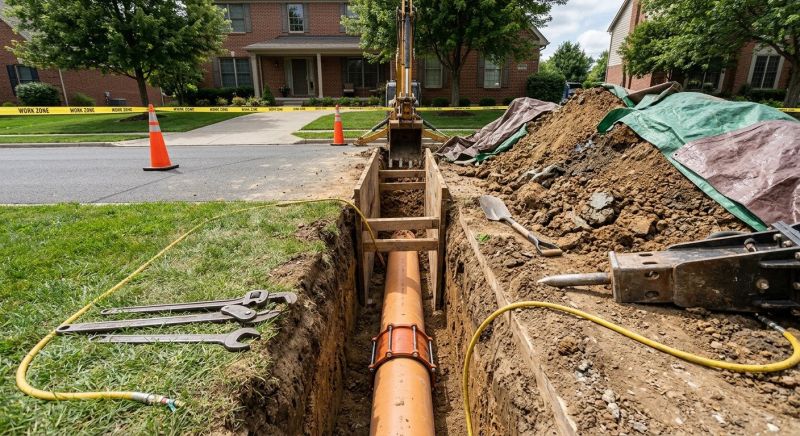
Sewer Repair Options
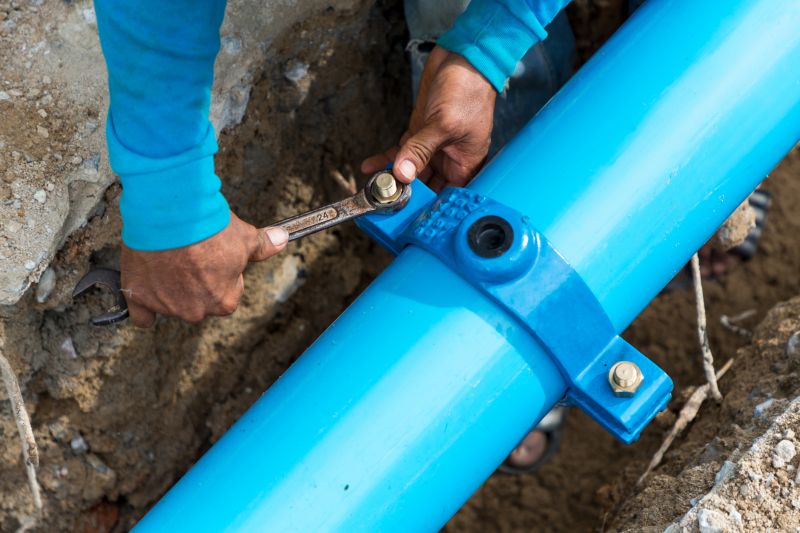
Different styles, layouts, and finishes people consider for sewer repair in denver county, co.
Sewer Repair in Denver County, CO

Sewer repair services involve diagnosing and fixing issues within a property's underground sewer lines, which are essential for proper waste removal and sanitation. These projects can include repairing or replacing damaged pipes, clearing blockages, and addressing leaks or collapses that may cause backups or foul odors. Homeowners often seek sewer repairs when experiencing slow drains, recurring backups, or unusual sewage smells, and understanding the scope of work helps in determining the appropriate solution for their property.
Before requesting sewer repair services, property owners should consider the extent of the problem, the age and condition of existing sewer lines, and whether any recent plumbing issues suggest underlying damage. It’s also helpful to know if there are visible signs like pooling water, lush patches of grass over the line, or frequent backups. Having a clear understanding of these factors can assist in communicating the issue accurately and ensuring the appropriate repairs are carried out to restore proper function and prevent future problems.
Many property owners in Denver County, CO look into Sewer Repair for repairs, replacements, upgrades, and appearance-related improvements.
Common Sewer Repair Jobs
Sewer Line Repairs - address damaged or broken sewer lines to prevent backups and leaks.
Sewer Pipe Replacement - replace aging or severely damaged pipes to restore proper flow.
Clog Removal and Clearing - eliminate blockages that cause slow drains and backups.
Drain Line Inspection - use camera technology to locate issues within sewer lines accurately.
Leak Detection Services - identify hidden leaks that may cause property damage or high water bills.
Sewer System Maintenance - perform routine checks to ensure the sewer system functions efficiently.
Sewer Repair Questions
What signs indicate sewer repair is needed? Signs include persistent clogs, foul odors, slow drains, or sewage backups in the property.
What types of sewer repair services are available? Services include pipe lining, pipe replacement, and excavation for damaged sewer lines.
How can property owners prevent sewer issues? Regular inspections and avoiding flushing non-degradable materials can help prevent problems.
What should be considered before scheduling sewer repair? It’s important to assess the extent of damage and the best repair method for the property’s needs.
Request Sewer Repair in Denver County, CO
Use the quote form on this page to share the basics of your project and request more information for the type of work you need.