
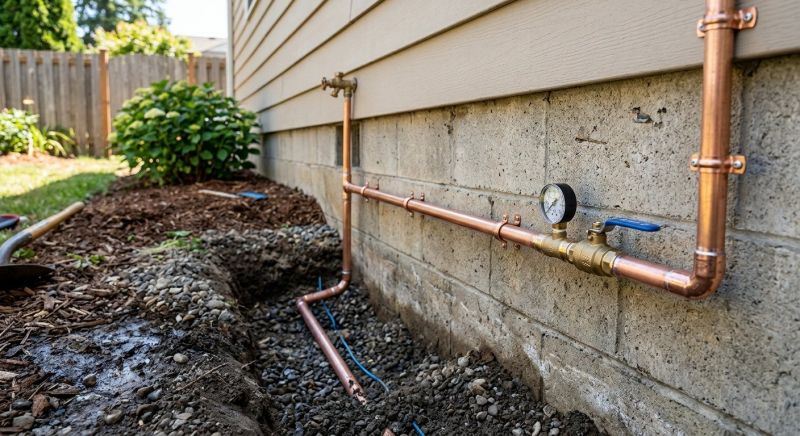
Water Line Replacement in Denver, CO
Water line replacement services involve removing and installing new water supply lines within a property to ensure reliable and efficient water delivery. These projects typically address aging or damaged pipes, upgrading outdated materials, or rerouting lines for renovations or expansions. Homeowners often seek this service when experiencing frequent leaks, low water pressure, or visible pipe deterioration, aiming to prevent potential water damage and maintain proper plumbing function.
Before requesting water line replacement, property owners should understand the scope of the project, including the location of existing pipes, potential access points, and any necessary permits or disruptions to daily routines. It’s also helpful to consider the type of piping material suitable for the property’s needs, as well as the expected lifespan of the new lines. Clear communication about these aspects can assist in planning a replacement that meets long-term plumbing performance and property requirements.
Many property owners in Denver, CO look into Water Line Replacement for repairs, replacements, upgrades, and appearance-related improvements.
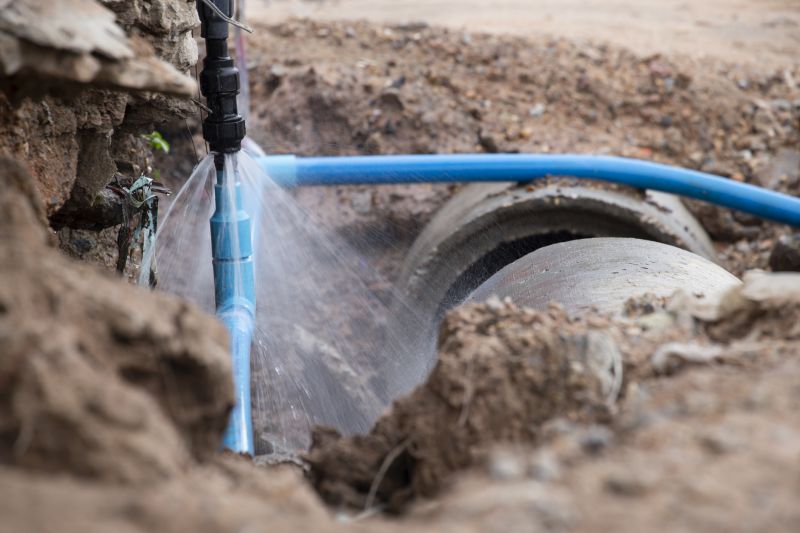
Signs You Need A Water Line Replacement
Unexpected drops in water pressure or frequent leaks may indicate the need for pipe replacement.
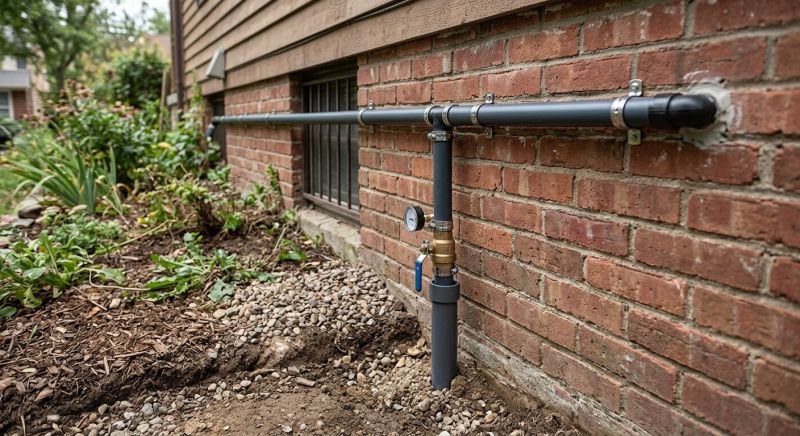
Benefits Of Replacing Old Water Lines
Upgrading outdated pipes can improve water quality and prevent future water damage issues.
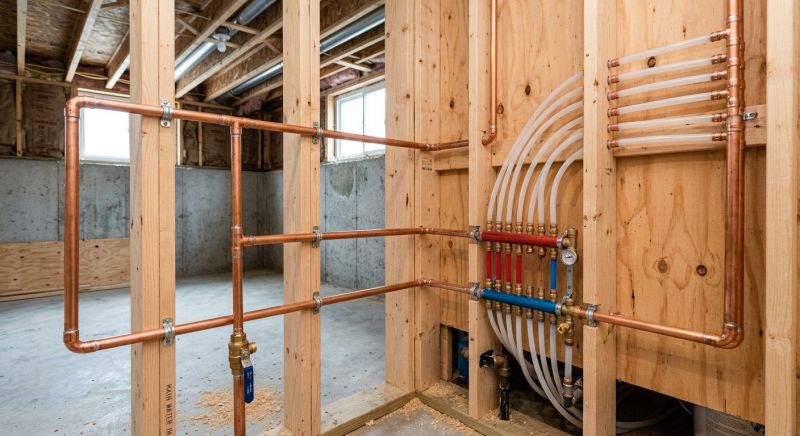
Common Replacement Methods
Trenchless and traditional replacement techniques are available to suit different property needs in denver, co.
Water Line Replacement in Denver, CO

Water line replacement services involve removing and installing new water supply lines within a property to ensure reliable and efficient water delivery. These projects typically address aging or damaged pipes, upgrading outdated materials, or rerouting lines for renovations or expansions. Homeowners often seek this service when experiencing frequent leaks, low water pressure, or visible pipe deterioration, aiming to prevent potential water damage and maintain proper plumbing function.
Before requesting water line replacement, property owners should understand the scope of the project, including the location of existing pipes, potential access points, and any necessary permits or disruptions to daily routines. It’s also helpful to consider the type of piping material suitable for the property’s needs, as well as the expected lifespan of the new lines. Clear communication about these aspects can assist in planning a replacement that meets long-term plumbing performance and property requirements.
Many property owners in Denver, CO look into Water Line Replacement for repairs, replacements, upgrades, and appearance-related improvements.
Common Water Line Replacement Jobs
Water Line Replacement - involves removing old or damaged water pipes to ensure reliable water flow.
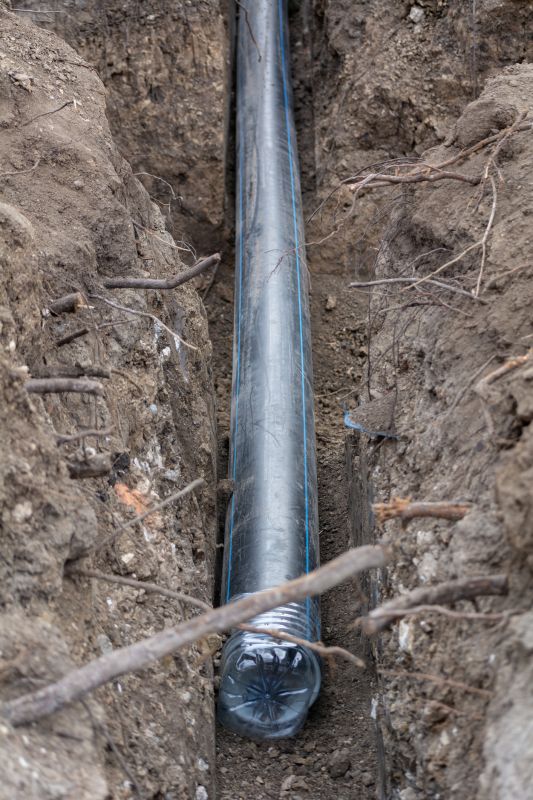
Underground Water Line Replacement - replaces buried pipes that have corroded or leaked over time.
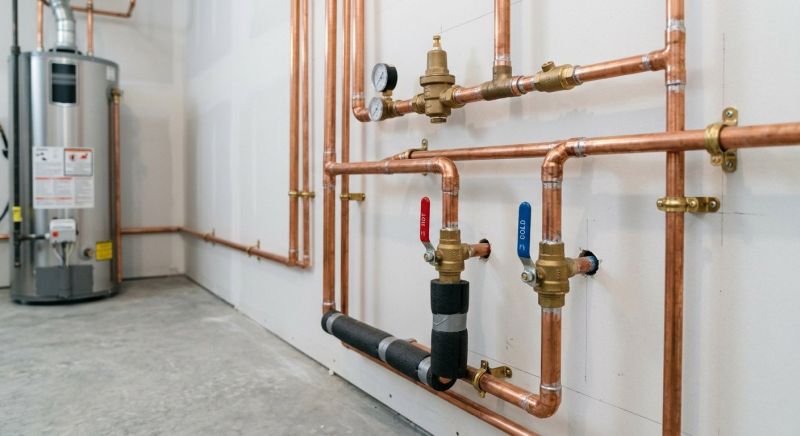
Indoor Water Line Replacement - upgrades interior pipes to improve water quality and pressure.
Emergency Water Line Replacement - addresses urgent pipe failures to prevent water damage.
Pipe Material Replacement - switches outdated pipes to modern, durable materials for longevity.
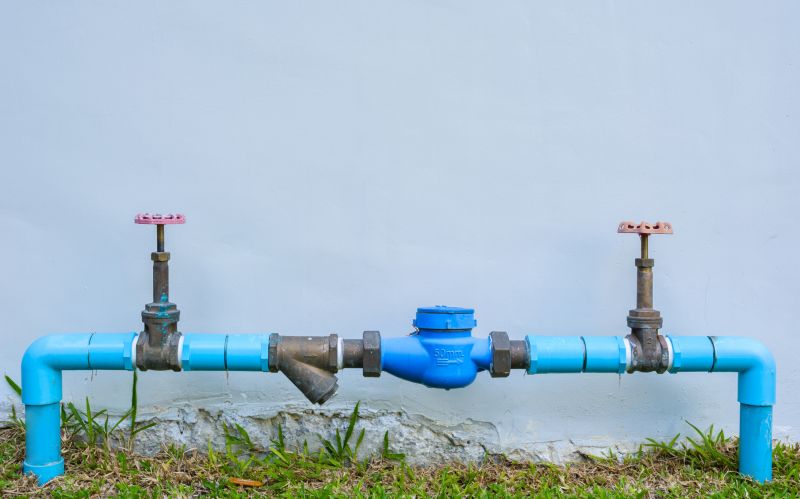
Main Water Line Replacement - updates the primary pipe supplying water to a property for improved performance.
Water Line Replacement Questions
What are signs that water line replacement is needed? Signs include low water pressure, frequent leaks, or visible corrosion on pipes.
How does water line replacement improve home plumbing? It ensures reliable water flow and reduces the risk of leaks and water damage.
What types of pipes are used for water line replacement? Common options include copper, PEX, and PVC pipes, depending on the property’s needs.
Is water line replacement disruptive to daily routines? The process typically involves some excavation but can be coordinated to minimize inconvenience.
Request Water Line Replacement in Denver, CO
Use the quote form on this page to share the basics of your project and request more information for the type of work you need.